
Boxing betting odds in Great Britain: how the price is set and what it really costs the punter
 Available in US
Boxing sits in a small circle of sports where one price carries almost the whole story. A football match has twelve men in green and twelve in red; a boxing bout has two, and the market has only three jobs to do — name the winner, name the method, name the round. The page works through how those jobs turn into a number a punter can place a bet on, and what the number itself tells the reader about the operator who printed it.
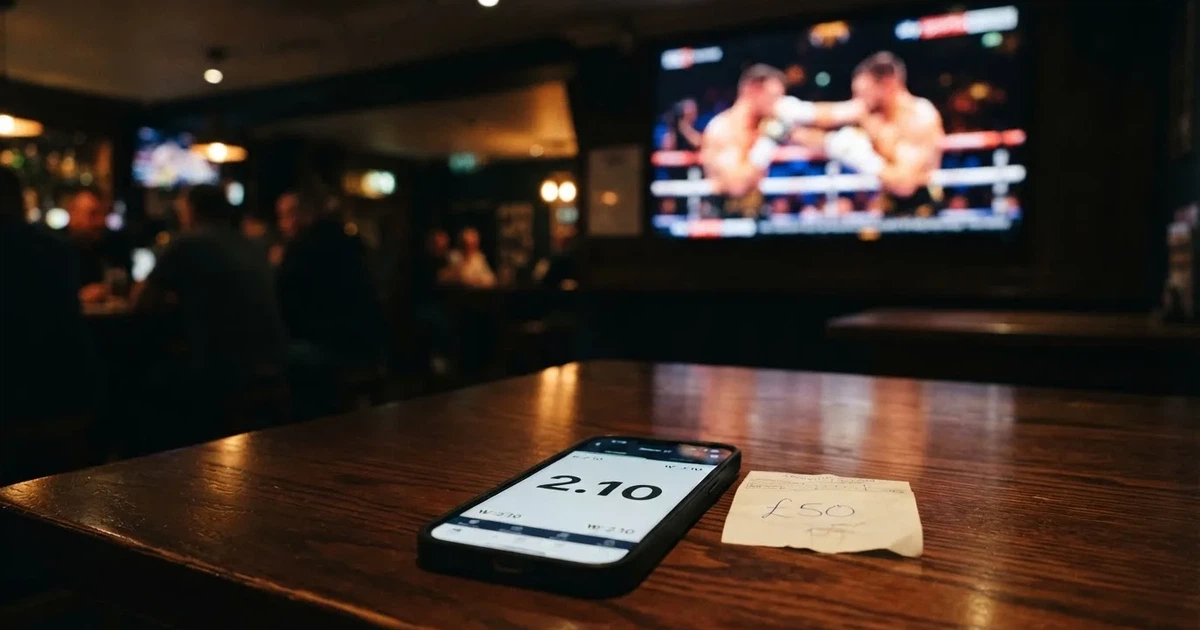
This page was checked on 27 October 2026 against the Gambling Commission’s public register of remote operating licences.
Crypto and Boxing anonymity for betting
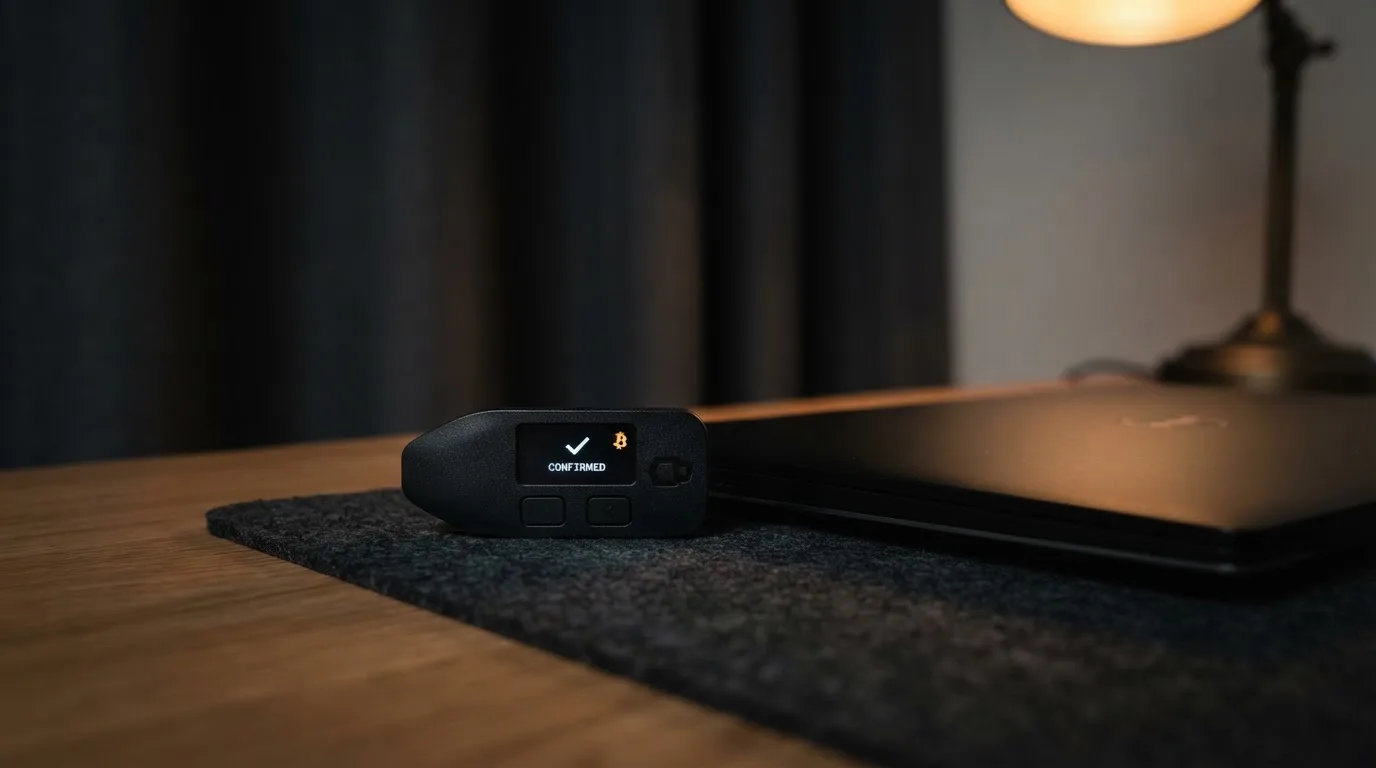
Boxing is a sport that travels well through crypto rails. A bout is a single event with a small data footprint — no team sheet, no late lineup, just two names and a venue — which is why crypto-first books have built the deepest boxing catalogues of any sport outside football. The thing that separates crypto boxing betting from ordinary online betting is not the coin, it is what sits behind the coin.

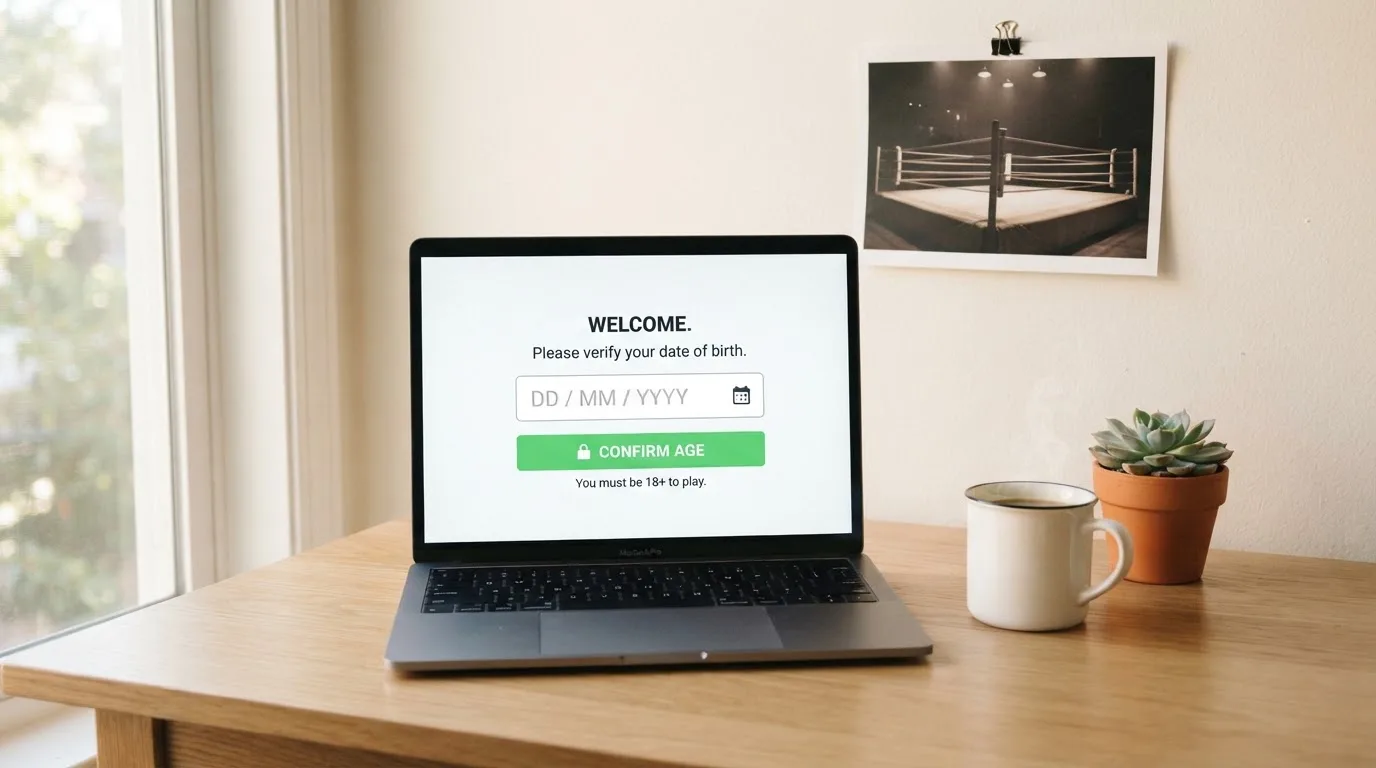
Anonymity is not the same as licence. The labels that appear on a crypto boxing site — “no KYC”, “instant withdrawal”, “VPN allowed” — bet they don’t perform the checks the Gambling Commission requires from every Great-Britain-facing operator. Since 7 May 2019, identity verification (name, address and date of birth) has been the first gate a GB-licensed operator closes before a customer can deposit or place a bet, including with a free bet. A licence under the Gambling Act 2005 is the only British frame inside which boxing bets are lawful to take from a customer in Great Britain, and verification is the cost of sitting inside that frame. A site that accepts bitcoin or ethereum and never asks for a document is, by construction, operating on a different licence — most often Curaçao, sometimes Anjouan, occasionally a Maltese one — none of which carry the Commission’s player-protection duties.
The mechanics of the deposit work either way. A bitcoin boxing bet starts the same way a debit-card bet starts: the punter sends value to an address the bookmaker controls, the bookmaker credits the account in whatever unit it uses (USDT, the dollar equivalent, sometimes the coin itself), the punter places the bet, the bet settles in the same unit. The difference is what happens when the punter tries to take the money out: a GB-licensed bookmaker pays into a verified UK bank account under the operator’s own payout rules; a crypto boxing site pays to a wallet the punter controls, and the punter then converts the coin back into pounds through whichever exchange they prefer. The first route is slower and more traceable; the second is faster and less traceable. Neither is a reason to break a self-imposed exclusion.
The ledger sits at the centre of every crypto boxing bet: blockchain records the transfer from punter to bookmaker and back, but the bet itself — the odds, the stake, the selection, the result — is held inside the bookmaker’s own database, off-chain. A reader who wants a verifiable record of what they bet has to ask the operator for it; the chain only shows the value moved.
Boxing is one of the few sports where the licence the bookmaker holds matters to the bettor who loses. A punter who takes a price on a heavyweight fight from a Curaçao-licensed site and then disputes the settlement has no Commission complaints route and no approved dispute-resolution body to appeal to. A punter who takes the same fight from a GB-licensed operator has GamCare, the Commission’s ADR portal, and the operator’s own safer-gambling team. The “no KYC” pitch trades those protections for the time the verification step saves; the calculation is a personal one, and the page notes that the British frame leaves no room for the trade.
Boxing offers and free bets: what the welcome packet really is
Boxing offers and free bets are the loudest part of any British bookmaker’s front page, and the part that punts the hardest against the punter who takes the headline at face value. The welcome offer that follows the page from the search result to the deposit button is a marketing product; the wagering requirement, minimum price, expiry clock and market restriction are the product itself.
A free bet is what most British bookmakers offer on the first sports bet. The deal has a shape research names from each operator’s own terms: a deposit and a qualifying bet at a stated minimum price, free bets issued within a stated window, free bets expiring within a stated period. Unibet’s sports welcome offer is “Get £40 in Free Bets when you bet £20”: a deposit and sports bet of £20 or more at minimum odds of 2.0 (1/1), with free bets expiring within 7 days of issue, for new GB customers using a debit card or instant bank transfer. Coral’s package carries the same headline shape — £40 in free bets on a £20 qualifying bet at minimum odds of 2.0 — with the same 7-day window on both sides. The headline is the offer; the qualifier is what the offer costs.
A welcome offer is the price of entry. Free bets in Great Britain almost never return the stake with a win — the punter keeps the winnings, the free-bet amount itself disappears. A £10 free bet at decimal odds 3.00 returns £20 if it wins, not £30. The difference is £10 of “free” money that was never on the table. Promotions issued since 19 January 2026 carry a 10x wagering cap on bonus value where a cap applies — a £10 bonus with a 50x wagering requirement needs £500 of qualifying bets; under the cap, that requirement cannot exceed £100 of bets before any winnings are withdrawable. The cap covers bonuses with a turnover condition; a free bet with no wagering condition falls outside it, and the value of a free bet is set by the odds taken, the stake the bookmaker credits and the market’s payout share, not by the cap. Mixed-product promotions — an offer that asks the punter to bet on boxing to unlock free spins, or to deposit to unlock a casino bonus — are banned under the same rule.
The terms matter more than the headline. Three clauses turn a welcome offer from a fair deal into a costly one: the minimum odds on the qualifying bet, the expiry on the free bet, and the markets the free bet can be used on. A qualifying bet at 2.0 (1/1) is the British industry norm; a qualifying bet at 5.0 narrows the field of qualifying bets to genuine underdogs and price boosts, which is harder to clear. An expiry of 7 days is a working week; an expiry of 48 hours is a working weekend, and many punters never place the free bet at all. A free bet restricted to in-play markets, or to specific sports, removes the freedom to use the offer on the bet the punter actually wanted to place.
Boxing has its own offer calendar. A title fight pulls a price boost and a free-bet club together on the same night; a pay-per-view undercard pulls a series of acca insurance offers across the week before. The punter who plans around the calendar has a steady supply of price boosts; the punter who treats each fight as a one-off pays full margin and reads about the boost afterwards.
Mobile and the boxing betting app in Great Britain
The boxing betting app is, for most punters, the bookmaker. The desktop site is the page the punter opens on a laptop once a year; the app is what the punter opens on the bus at 9pm on a Saturday night with a heavy undercard to clear. Three things separate the apps that handle boxing well from the apps that handle it badly: market depth on the in-play tab, latency between the live feed and the price, and the size of the bet the punter can confirm with a thumb tap.

The best betting apps for boxing in Great Britain carry the same three things: a full pre-match market (winner, method of victory, round grouping, total rounds, fight to go the distance), a separate in-play tab that mirrors the pre-match market at shorter prices, and a bet-builder that lets the punter combine a method pick with a round pick on the same bout. bet365 publishes an app the App Store describes as the most-downloaded sports betting app in the UK, with Bet Builder+ combining markets from one event into a single bet, available pre-match and in-play, plus Super Boosts, Winnings Boosts on Bet Builders and selected singles, and daily Bet Boosts. The depth of that product shows up most on the bigger fights: a heavyweight unification in the early hours on a Sunday morning is the kind of event where a strong app carries thirty-plus markets and a weak one carries three.
Latency is the cost of in-play boxing on any app. The bookmaker’s feed reads from a different provider than the satellite feed the punter watches at home; the punter sees the knockdown, the app reprices the knockdown, and the gap between the two is the spread between the punter’s edge and the bookmaker’s. The shortest gaps belong to the operators who own their own feed; the longest gaps belong to the operators who resell a third-party feed and re-quote on top of it. The punter who bets in-play on a heavy-handed fighter — the kind who ends a round early — needs the shortest gap the app can offer; the punter who bets only on the pre-match card does not.
The thumb tap matters more than the screen size. A bet-confirmation step that takes a single tap on a £50 stake is a different bet than the same stake that takes three taps and a slider. Matchbook’s exchange app combines markets in a similar single-tap pattern, with Bet Builder, multiples, in-play betting and live streaming of horse racing and greyhounds. DragonBet publishes an app focused on Welsh football and rugby markets but also covering racing, American football, in-play betting and bet-builder markets. Hollywoodbets’ app carries the deposit-by-card welcome offer described earlier, with the stake-back free bet paid within 7 days on a settled qualifying acca.
A real-world test beats any review. Download two apps before a Saturday-night card, place a £5 single on the same fight in both, and watch how each handles the settle, the in-play repricing and the cash-out offer in the round after a knockdown. The punter who runs that test on three fights knows which app handles boxing; the punter who never has is taking the App Store’s word for it.
Live boxing betting and the cash-out button
Live boxing betting is where the sport’s small data footprint works against the punter. A football in-play market updates on a hundred small events — a yellow card, a corner, a shot, a substitution — and the price moves in small increments on each. A boxing in-play market updates on a few large events — a knockdown, a cut, a point deduction, a corner stoppage — and the price jumps in big increments on each. The punter who reads the live card well makes the bigger jumps work; the punter who reads them badly gets the worst price on the market for the rest of the round.
In-play boxing in Great Britain sits under each operator’s own licence conditions and customer-protection duties. A live bookmaker that takes bets on round-three knockdowns carries the same duties as one that takes bets on the pre-match winner; the controls are the operator’s, not the statute’s, and the role of the page is to name what the operator does, not what the law requires the operator to do.
The cash-out button sits at the centre of every live boxing bet. The cash-out is a price the bookmaker offers the punter to close the bet before the bout ends — settle the bet at a price that reflects the current state of the fight, take the cash, leave the rest of the bout to play out without the punter’s money on it. The price is always worse than the fair value of the bet at the same moment; the cash-out is the bookmaker’s bid to lock in its margin. A punter who cashes out a £10 single at decimal odds 1.50 mid-fight, having backed the boxer who is ahead on the cards, is selling the back end of the bet at a price the bookmaker has set, not at the price the market would clear.
The cash-out works the same way an in-play market works: a knockdown in round six moves the live price on a method-of-victory market by ten or twenty points, and the cash-out offer moves with it. The punter who wants the cash-out has to live with the fact that the cash-out is the bookmaker’s price, set for the bookmaker’s book, in a market with no second bidder. The exchange model handles the same situation differently — the punter lays the bet off to another punter on a platform like Matchbook, with the bookmaker taking a commission on the matched bets rather than setting the price itself.
Boxing betting tips, prediction and bankroll strategy
Boxing betting tips and prediction live at the seam between analysis and advertisement, and the British market handles that seam unevenly. A tipster who charges for picks carries no duty of accuracy; a tipster who publishes for free usually pays the page with an affiliate link; a tipster who works inside a newsroom chain is paid by the newsroom, and the picks are the newsroom’s reputation on the line. None of those structures is the punter’s guarantee, and the page’s job is to name what each one delivers, not to pick among them.

Boxing stats for betting in Great Britain come from a small set of public sources: BoxRec for the record (wins, losses, knockouts, opponent quality), the sanctioning bodies’ own rankings for the official line, and the major broadcasters’ preview shows for the analysts. A punter who builds a card from those four sources has a workable picture; a punter who builds it from a tipster’s preview alone has the tipster’s picture.
Bankroll strategy is the cheapest part of the bet to set up and the costliest part to break. A bankroll is the amount the punter sets aside for betting over a stated period — a month, a season, a year — and the unit is the fraction of that bankroll the punter wagers on a single bout. The industry rule of thumb is one to three per cent per bet for a punter who places several bets a week; a punter who places a single bet on a major fight can go higher, because the frequency is lower. The discipline is the same: the punter who bets five per cent on one fight and three on the next is, in the long run, betting a different fraction than they think. A written rule — “two per cent per bet, no exceptions” — survives a bad night better than a felt rule.
A staking plan is not a prediction. A punter can have a perfect staking plan and a poor boxing record; a punter can have a sharp eye for a method of victory and a flat stake that loses the bankroll over a bad run. The combination is the work: a price on a fight, a stake that fits the bankroll, a market the punter understands. The page does not name who wins; it names what the punter pays to find out.
Forecasts and prediction blogs read well in the week of a fight and badly in the week after. A punter who follows a tipster over a season — writing down the picks, the price, the stake and the result — knows the tipster’s edge; a punter who reads one pick per fight knows nothing more than they would have read by skipping the page.
Boxing bet types, markets and the price itself
Boxing bet types break into five families. The first is the winner market — fighter A, fighter B, the draw — the simplest price on the card and the one the bookmaker’s margin is built around. The second is the method of victory — knockout or technical knockout, decision, disqualification, with or without a “draw” group — a longer market where the price reflects the probability of each ending. The third is the round or round grouping — winner in rounds one to three, four to six, seven to nine, ten to twelve — a market where the price reflects the timing, not just the outcome. The fourth is the fight to go the distance — yes or no — a binary market that sits alongside the method market and behaves differently when the favourite is heavy-handed. The fifth is the proposition market — will the fight end in the first round, will there be a knockdown, will a specific fighter be knocked down — a market the bookmaker builds for the bigger cards.

The odds sit at the centre of all of them. Decimal odds state the return per unit stake: a £10 bet at decimal odds 3.00 returns £30 if it wins — £20 of profit and the £10 stake back. Fractional odds state the profit per unit stake: 2/1 returns £20 of profit on a £10 stake, plus the £10 stake back, for the same £30 total return. The conversion is exact: fractional a/b in decimal form is a divided by b, plus one. Evens is 1/1 in fractional form and 2.00 in decimal. An odds-on price — shorter than evens, where the profit is smaller than the stake — is anything below 2.00 in decimal, anything from 1/10 to 10/11 in fractional.
The bookmaker’s margin is the difference between the fair price of a market and the price the bookmaker offers. A two-way market with two equally likely outcomes has a fair price of 2.00 on each side; a bookmaker offering 1.90 on each side is keeping five per cent of every pound wagered on the market as the operator’s edge. The arithmetic behind it: one divided by 1.90, plus one divided by 1.90, equals 1.0526, so the two prices together imply a payout share of 95.09 per cent of every pound staked and a margin of 4.91 per cent. The page states it as a band — somewhere between four and five per cent on this illustration — because the margin of one bookmaker on one event at one moment is not the margin of another bookmaker on another event at another moment. The illustration is the shape; the live market is the number.
The margin is what the price is paying for. A £10 single at decimal odds 1.90 returns £19 if it wins — £9 of profit and the £10 stake back. The same bet at decimal odds 2.00 — a “no-margin” price on an even match — returns £20, the full fair return. The £1 difference is the bookmaker’s take; over a season of bets, the £1 difference compounds into the difference between a punter who breaks even on a fair book and a punter who loses four or five per cent of every pound wagered on a typical book.
A combination bet multiplies the prices of its legs into one. A double at decimal odds 1.90 and 2.50 has combined odds of 4.75; a treble at 1.90, 2.50 and 3.00 has combined odds of 14.25. The multiplication compounds the margin as well as the price: a single at 1.90 carries a margin of about five per cent; a treble of three legs at the same margin carries a margin of about fourteen per cent. Each leg takes its own margin; the treble takes the product of those margins. The punter who builds a long acca on a Saturday card pays for the length twice — once in the lower probability of every leg winning, and once in the compounded margin the bookmaker takes on each leg.
The draw sits at the centre of the boxing winner market. A bout can end in a win for fighter A, a win for fighter B, or a draw — three outcomes, three prices, one market. The draw is the long price on every card, usually between 12.00 and 34.00 in decimal form, and is the market the bookmaker’s margin is widest on because the punter backs it least. A punter who backs the draw at 25/1 in a heavyweight fight is taking the longest price on the card; the margin on that price is wider than the margin on the favourite, even though both are markets the bookmaker has set under the same duty.
The starting price (SP) is the price the bookmaker settles the bet at if no price was taken before the off. SP is most familiar from horse racing, where it is the price the bookmaker’s on-course traders set at the start; in boxing, where every bout has its own off, the SP is whatever price the bookmaker was offering at the moment the bell rang. Best Odds Guaranteed (BOG) is the policy that pays the bet at the bigger of the price the punter took and the SP at the off. Bet600 pays Best Odds Guaranteed on horse racing: if the starting price is bigger than the early or show price taken, the bet is paid at the SP. William Hill pays Best Odds Guaranteed on UK and Irish horse racing from 8 AM on the day of the race, on both single and multiple bets; it does not apply to ante-post, tote or pari-mutuel bets. The punter who takes an early price on a horse and sees the SP drift up is paid at the SP; the punter who takes the early price and sees the SP contract is paid at the price they took. The bookmaker never pays the lesser of the two.
Boxing: the sport and its tournaments
Professional boxing is the layer of the sport most British bookmakers take prices on, and the layer that produces the cards the punter sees on the app on a Saturday night. A professional bout usually runs ten to twelve rounds, with four-round fights common for newer fighters; each round lasts three minutes with a one-minute rest between rounds. The WBA, WBC, IBF and WBO sanction world championships in professional boxing, and each body maintains its own rankings and its own championship fights; a unification bout — where two or more bodies’ belts are on the line in one fight — is the event the bookmaker builds the deepest market on.
A bout can end in four ways. A knockout is a count-out by the referee after a fighter has been knocked down and cannot beat the count within the referee’s ten-second count; a technical knockout is a stoppage by the referee, doctor or corner before a count-out; a decision is the judges’ scorecard at the end of the scheduled rounds; a disqualification is the referee’s call after a foul. A draw occurs when the judges give both fighters equal scores. Each ending becomes a distinct outcome on the bookmaker’s method-of-victory market, and each carries a price that reflects the punter’s view of how the fight is most likely to end.
Amateur boxing — Olympic boxing, the World Amateur Championships, the European Championships — runs under different rules: three rounds of three minutes in the men’s senior event, headgear, a points-based decision system that counts every blow landed rather than the damage inflicted. British bookmakers price amateur boxing less deeply than professional boxing; the market is thinner, the liquidity is lower, and the price the bookmaker offers carries a wider margin than the price on a professional card.
The British heavyweight scene is the round the British punter follows most closely. A world-title fight involving a British heavyweight pulls the deepest in-play market of the year; a domestic card at York Hall or the O2 pulls a respectable pre-match market and a thin in-play tab. The punter who wants to bet on the fight the whole country is watching has the deepest market the British bookmakers offer; the punter who wants to bet on the undercard the country is not watching has a smaller market, a longer price, and a wider margin.
Tournament boxing is a thinner market than championship boxing. The World Boxing Super Series, the now-defunct World Series of Boxing, and a handful of single-elimination tournaments offer the bookmaker a card of fights over a few weeks rather than a single bout. The market on each fight is smaller, the price is wider, and the punter who backs a tournament is betting on a series of fights the bookmaker has priced against a thin handle.
Top 10 boxing betting sites in Great Britain: how the comparison works
The top 10 boxing betting sites in Great Britain all hold a Gambling Commission remote licence, all participate in GAMSTOP, and all verify identity before the first deposit. The differences between them sit in the depth of the boxing catalogue, the latency of the in-play feed, the structure of the welcome offer and the size of the bet-builder. The table reads across those four columns and gives the reader the basis for the comparison; the prose that follows reads what the columns mean.

| Brand | Licence | What the operator’s own terms state on boxing |
|---|---|---|
| BoyleSports | Gambling Commission remote licence 039469-R-319383-025 (account 39469), held by Boylesports Enterprise | Sports welcome offer for UK players: £20 in free bets when a £10 bet is placed |
| Hollywoodbets | Gambling Commission remote licence 053028-R-330019-013 (account 53028), held by Hollywoodbets International UK Limited | Sports welcome offer: stake back as a free bet of up to £30 on the first qualifying losing accumulator (£10+ stake, 3+ legs, odds of 4/1 or greater, settled within 7 days) |
| Bet600 | Gambling Commission remote licence 044731-R-323941-016 (account 44731), held by Tyche Tech Limited | Best Odds Guaranteed on horse racing: bet paid at the SP if the starting price is bigger than the price taken |
| Tote | Gambling Commission remote licence 054779-R-331321-008 (account 54779), held by TDCO Limited | Pool-betting operator; markets shaped around tote and pari-mutuel products |
| Unibet | Gambling Commission remote licence 045322-R-324275-019 (account 45322), held by Platinum Gaming Limited | Sports welcome offer: £40 in free bets when £20 is bet at minimum odds 2.0 (1/1), free bets expiring within 7 days, for new GB customers using a debit card or instant bank transfer |
| Coral | Gambling Commission remote licence 054743-R-330863-014 (account 54743), held by LC International Limited | Sports welcome offer: £40 in free bets when £20 is bet at minimum odds 2.0 (1/1), free bets issued within 7 days and expiring 7 days after issue, for new GB customers who opt in |
| DragonBet | Gambling Commission remote licence 064908-R-339041-003 (account 64908), held by DragonBet Ltd | App covers Welsh football and rugby, racing, American football, in-play betting and bet-builder markets |
| DAZN Bet | Gambling Commission remote licence 048756-R-327274-019 (account 48756), held by DZBT Limited | Deposits start at £5 by debit card, Apple Pay, Paysafecard, Trustly and Skrill, and at £20 by PayPal, with no processing fees |
| Matchbook | Gambling Commission remote licence 039504-R-319407-024 (account 39504), held by Triplebet Limited | Betting exchange where customers bet against other users, with Bet Builder, multiples, in-play betting and live streaming of horse racing and greyhounds |
| Betfred | Gambling Commission remote licence 039544-R-319290-010 (account 39544), held by Petfre (Gibraltar) Limited | App covers 21 sports plus over 2,000 casino-style games |
The spread on the licence column is narrow on purpose. Every operator on the table holds a Commission licence under the same regime; the differences are in the categories on the licence (general betting standard versus betting intermediary for the exchanges), the holder (Platinum Gaming, LC International, Petfre Gibraltar), and the account number the register uses. The punter who wants to verify a licence searches the Commission’s public register by business name, trading name, domain or account number; the table gives the punter the account number to search by.
The offer column is where the reader looks for the headline price, and where the page has to be careful about what the headline promises. A £40 free-bet package on a £20 qualifying bet is a marketing price; the £20 stake has to be at minimum odds 2.0, the £40 of free bets expires within 7 days, and the winnings from the free bet are paid without the free-bet stake. The punter who reads the column and skips the qualifiers is reading the offer wrong; the punter who reads both is reading it right.
The boxing-specific column is the column the table cannot fully build. Research carries no operator’s own statement on the depth of its boxing catalogue or the latency of its boxing feed; the punter who wants that number tests it themselves on a Saturday-night card. The table gives the punter the licence and the headline terms; the live card gives the punter the rest.
The punter who chooses between the ten is choosing between a market structure, an offer shape and an app latency. BoyleSports and Hollywoodbets carry the smallest free-bet packages on the table; Unibet and Coral carry the largest. Matchbook and Betfair-style exchanges run a different model again, with the bookmaker taking a commission on matched bets rather than setting prices against the punter. The choice depends on what the punter bets on, how often, and at what price.
Overview: what boxing betting odds are and how the British market is built
Boxing betting odds in Great Britain sit inside the same regulatory frame as every other sport on a licensed bookmaker’s app, and the frame is the frame that turns a price on a fight into a contract a punter can enforce. The Gambling Commission licenses the whole commercial market under the Gambling Act 2005, which covers Great Britain (England, Scotland and Wales); Northern Ireland is outside the Act and has its own older law, so the page writes “Great Britain licence” or “GB-licensed”, never that a GB licence regulates Northern Ireland. Since the Gambling (Licensing and Advertising) Act 2014 an operator whose remote facilities are used in Great Britain needs a Commission licence wherever it is based; a Curaçao, Maltese or Gibraltar licence is not a substitute.
The bookmaker’s licence is the punter’s frame. The minimum age is 18; identity (name, address and date of birth) is verified before the first deposit, including for free bets; credit cards are banned for gambling in Great Britain since 14 April 2020, including credit-card-funded payments through an e-wallet; every operator on the table participates in GAMSTOP, the national multi-operator online self-exclusion scheme, with periods of six months, one year, five years, or five years with auto-renewal. The punter who self-excludes is excluded across the British market, not just from the operator where the form was filled in.
The odds themselves are set by the operator. A boxing bout has a small number of outcomes — fighter A wins, fighter B wins, draw, plus method of victory and round groupings — and the operator prices each outcome based on its own model of the fight, the handle it expects, and the margin it wants to keep. The price the punter sees is the operator’s price, set against the operator’s book, in a market with no second bidder on the operator’s side. The exchange model is the exception: Matchbook is a betting exchange where customers bet against other users, with the operator taking a commission on the matched bets. The punter who wants to back a fighter at a better price than the bookmaker offers, or lay a fighter at a price the bookmaker will not lay, finds the second bidder on the exchange.
The tax sits on the operator. General Betting Duty is the operator’s tax on gross profits, currently 15%; from 1 April 2027 a new remote betting rate of 25% applies within it, while remote bets on UK horse racing, bets on self-service betting terminals in licensed premises, pool betting and in-person betting stay at 15%. The player pays no tax on betting winnings in Great Britain (general information, not tax advice; a professional gambler should ask HMRC or an adviser). The duty the operator pays is the operator’s problem to absorb; the punter does not see it on the slip.
The advertised offer sits inside a marketing rule book. Advertising is not licensed by the Commission; it runs through the CAP Code (non-broadcast) and BCAP Code (broadcast), enforced by the ASA, alongside the Commission’s own marketing conditions. CAP Code section 16: marketing must be socially responsible, must not be of strong appeal to under-18s, and no one who is or seems to be under 25 may be featured gambling or play a significant role. Promotion rules in force since 19 January 2026 cap wagering requirements on bonuses at 10x and ban mixed-product promotions; whether the cap applies to free bets with no wagering condition, and any cap on the money value of a bonus, are not established.
Boxing betting legality: the licence, the customer, the offshore site
Boxing betting legality in Great Britain turns on a single question: is the operator licensed by the Gambling Commission to take bets from customers in Great Britain? The question is the test of the law, and the test the Commission’s public register applies every day.
The bookmaker’s licence is the legal foundation. A bookmaker serving customers in Great Britain needs a Commission licence wherever it is based; the licences the register issues are remote general betting standard (real events), remote general betting standard (virtual events), remote general betting limited, remote pool betting and remote betting intermediary (the licence for betting exchanges). The category on the licence defines the markets the bookmaker can offer — a pool-betting licence covers tote and pari-mutuel markets; a betting intermediary licence covers the exchange model; a remote general betting standard (real events) licence covers most of the rest. The punter who checks the licence category on the register checks the markets the bookmaker is licensed to offer.
The customer is licensed into the same frame. The minimum age is 18; the customer is verified before the first deposit; the customer can set a deposit limit on the operator’s app; the customer can self-exclude through GAMSTOP and be excluded across the licensed market. The financial vulnerability check (LCCP condition 3.4.4, in force since 30 August 2024) applies when a customer’s deposits minus withdrawals exceed £150 in a rolling 30 days (since 28 February 2025): it is a public-record check (for example bankruptcy or county court judgments), not an income check and not a credit reference check. Financial risk assessments (the “affordability checks” of the press) are announced in a staged plan (Commission article of 7 July 2026), with no start date.
Betting on yourself in a boxing bout is the question the Commission’s rules address indirectly. The Commission’s rules forbid betting by anyone with inside information that is not public; a fighter in a bout has the most inside information of anyone alive. The fighter who bets on himself commits an offence under the operator’s terms and risks prosecution under the fraud statutes; the operator who takes the bet is licensed to refuse it. The Commission does not run a public list of barred bettors; the page notes the rule and leaves the legal frame to the statute.
The offshore bookmaker is licensed somewhere else, or nowhere. A Curaçao, Maltese or Gibraltar licence is not a Commission licence and does not carry the Commission’s player-protection duties. A punter who uses an offshore bookmaker has no Commission complaints route, no approved dispute-resolution body, no British consumer redress if funds are withheld, no GAMSTOP coverage, no 10x bonus cap, no £150 vulnerability check. The “legal to use” framing is wrong; the framing is “legal to take from a customer in Great Britain without a Commission licence is an offence under section 33 of the Gambling Act 2005”. The Commission enforces against the operator, not the customer; the punter’s loss is the loss of protections, not the loss of liberty.
Responsible gambling on boxing betting odds
Responsible gambling on boxing betting odds starts with the same three controls the Commission requires from every licensed operator: identity verification before the first deposit, GAMSTOP coverage across the licensed market, and deposit limits set by the customer. The controls sit on the operator’s site; the punter who wants them uses them.
Identity verification closes the anonymous-play door. A punter cannot deposit, place a bet, or claim a free bet at a GB-licensed operator without a verified name, address and date of birth. The verification step is a cost in time — a photo of a passport, a scan of a utility bill — and a benefit in protection: the operator knows who the customer is, the customer has a paper trail to the operator’s records, and the dispute-resolution body has a party to address.
GAMSTOP is the cross-operator exclusion. A punter who self-excludes through GAMSTOP is excluded from every licensed online bookmaker for six months, one year, five years, or five years with auto-renewal; after the minimum period the exclusion stays in place for a further seven years unless the customer asks GAMSTOP to remove it. The punter who self-excludes and tries to open a new account at a licensed operator is closed at the door. The punter who self-excludes and goes to an offshore site is not — GAMSTOP does not cover offshore books, and that is the page’s strongest argument against them.
Deposit limits are the customer’s lever. Operators must offer a gross deposit limit on a fixed time frame; the first changes have applied since 31 October 2025, a second phase was postponed to 30 September 2026, and whether it is live is not established. There is no state-set deposit or loss ceiling for betting: limits are the customer’s choice. The punter who sets a £100 weekly deposit limit and tries to deposit £150 is closed at the door; the punter who never sets a limit has the operator’s default — usually a higher ceiling — and no second brake.
Help sits outside the operator. GamCare runs the National Gambling Helpline; GambleAware publishes information and funds treatment; the NHS runs gambling clinics across Great Britain; Gamblers Anonymous runs peer-support meetings. A punter who recognises a problem in themselves, or a family member who recognises it in someone they live with, has a list of names to call; the page names them once and does not retell them in every section.
The bookmaker’s safer-gambling team is the operator’s own line of defence. A licensed operator monitors its customers for signs of harm — erratic staking, chasing losses, deposit spikes — and intervenes with a check-in, a cooling-off period, a deposit limit, a self-exclusion. The operator’s intervention is a duty under the licence; the punter who feels the operator’s check-in is seeing the framework working.
The licensed operator behind the licence: what each of the ten offers the boxing punter
BoyleSports
BoyleSports is an Irish-rooted bookmaker that took its UK remote licence through Boylesports Enterprise under account 39469 and runs the standard remote general betting standard (real events) category on the Commission’s register. The sports welcome offer for UK players is £20 in free bets when a £10 bet is placed, with a parallel €30-in-free-bets offer for €10 stakes on the Irish side of the book. The headline is small; the qualifying terms on a BoyleSports free-bet package follow the industry shape — a £10 qualifying bet at the operator’s stated minimum price, the £20 paid in free bets that expire within a stated window. The punter who likes the Irish bookmaker’s racing product and wants a small free-bet package on the side has BoyleSports on the shortlist; the punter who wants the largest free-bet package on the table is looking at Unibet or Coral.
The boxing catalogue sits inside a wider sportsbook that runs deep on horse racing, football and Gaelic games. The punter who wants to bet on a UK or Irish fight card at a bookmaker with a strong racing product has BoyleSports as a candidate; however, the bookmaker’s in-play boxing market is less comprehensive than some alternatives.
Hollywoodbets
Hollywoodbets is a South African-rooted bookmaker that took its UK remote licence through Hollywoodbets International UK Limited under account 53028. The sports welcome offer is shaped differently from the standard free-bet package: new players who deposit £10 or more by card get their stake back as a free bet of up to £30 on their first qualifying losing accumulator — a stake of £10 or more, three or more legs, odds of 4/1 or greater, settled within 7 days, one free bet per customer. The structure is a stake-back on a losing acca, not a free bet on a qualifying win.
The shape rewards the punter who builds an acca, not the punter who places a single. A £10 acca at odds of 4/1 is a price that pays £50 if it wins; the offer refunds the stake as a free bet of up to £30 if it loses. The punter who wins the acca has no use for the refund; the punter who loses has £30 to bet again on the next card. The free bet carries the usual terms: expiry, market restriction, stake not returned.
Hollywoodbets’ UK product is smaller than its South African product. The punter who likes the South African racing product and wants a stake-back offer on the UK side will find value here; those prioritizing the deepest boxing catalogue on the British market may prefer to explore other options.
Bet600
Bet600 is a UK-rooted bookmaker that took its remote licence through Tyche Tech Limited under account 44731 and runs on a model built around Best Odds Guaranteed on horse racing: if the starting price is bigger than the early or show price taken, the bet is paid at the SP. The BOG policy is the headline; the rest of the sportsbook sits behind it. Bet600 is a smaller book than the table leaders; the punter who likes the BOG policy on racing may find it suitable, though those seeking the most extensive in-play boxing coverage will likely find better depth elsewhere.
Tote
Tote is the British pool-betting operator that took its UK remote licence through TDCO Limited under account 54779. The licence category is remote general betting standard (real events), but the operator’s product is shaped around pool and pari-mutuel markets — the bettor pools stake with other bettors, the pool is divided among the winners after a takeout, and the dividend depends on the pool rather than a fixed price. Tote’s boxing product is the smallest on the table; the punter who wants the pool-betting experience on a fight card may consider Tote; for those who require the most competitive fixed-odds boxing market, other options are typically preferable.
Unibet
Unibet is one of the larger European-rooted bookmakers; its UK site is run by Platinum Gaming Limited, Gibraltar, under Commission account 45322. The company states it has operated since 1999, which makes it one of the longer-established online books on the British market. The sports welcome offer is the headline shape: £40 in free bets when £20 is bet at minimum odds 2.0 (1/1), with free bets expiring within 7 days of issue, for new GB customers using a debit card or instant bank transfer.
The offer is the table’s largest free-bet package on a £20 qualifying stake. The punter who places a £20 bet on a fight at minimum odds 2.0 — a competitive price on most cards — gets £40 in free bets within 7 days. The £40 of free bets expires within 7 days of issue, which is a tight window; the punter who lets the free bets expire has wasted the welcome offer. The market the free bet can be used on is the operator’s call; the punter who wants the free bet on a specific fight checks the operator’s terms before placing the qualifying bet.
Unibet’s UK boxing catalogue is one of the deeper catalogues on the table; the punter who wants a large free-bet package and a deep boxing product has Unibet high on the shortlist.
Coral
Coral is a UK-rooted high-street name that took its UK remote licence through LC International Limited under account 54743, with categories on the register covering remote general betting standard (real events) and remote betting intermediary. The sports welcome offer carries the same headline shape as Unibet: £40 in free bets when £20 is bet at minimum odds 2.0 (1/1), with the £40 of free bets issued within 7 days and expiring 7 days after issue, for new GB customers who opt in.
The offer is the table’s largest free-bet package on a £20 qualifying stake, with a slightly clearer cadence on the issuance and the expiry than Unibet’s. The punter who wants the largest free-bet package and a familiar UK brand name has Coral high on the shortlist; the punter who wants the deepest in-play boxing tab is looking at the bigger books. Coral’s UK boxing catalogue is one of the deeper catalogues on the table; the high-street heritage brings a wider range of novelty markets the digital-only books do not always carry.
DragonBet
DragonBet is a Welsh-rooted bookmaker that took its UK remote licence through DragonBet Ltd under account 64908. The app is published by DragonBet Ltd and covers Welsh football and rugby markets, racing, American football, in-play betting and bet-builder markets. The Welsh focus is the headline; the wider sportsbook sits behind it. DragonBet is a smaller book than the table leaders; the punter who wants a Welsh-focused bookmaker with a wider sportsbook may find it a good choice, while those seeking the deepest boxing catalogue on the British market may look to larger competitors.
DAZN Bet
DAZN Bet is the betting brand of the DAZN sports broadcaster and took its UK remote licence through DZBT Limited under account 48756. The deposit profile is the headline: deposits start at £5 by debit card, Apple Pay, Paysafecard, Trustly and Skrill, and at £20 by PayPal, with no processing fees. The low deposit floor is the smallest on the table; the punter who wants to deposit £5 and place a £5 single has DAZN Bet on the shortlist. The boxing catalogue sits inside a wider sportsbook that benefits from the DAZN broadcast tie-in; the punter who watches the fights on DAZN and bets on them on the same brand has DAZN Bet on the list.
Matchbook
Matchbook is a betting exchange that took its UK remote licence through Triplebet Limited under account 39504, with categories on the register covering remote general betting standard (real events) and remote betting intermediary. Customers bet against other users, with Bet Builder, multiples, in-play betting and live streaming of horse racing and greyhounds. The exchange model is the difference: the punter backs a fighter at the price another punter is laying, with Matchbook taking a commission on the matched bets rather than setting prices against the punter.
The exchange is the table’s only betting intermediary. The punter who wants to back a fighter at a better price than a fixed-odds book offers, or lay a fighter at a price a fixed-odds book will not lay, finds the second bidder on Matchbook. The punter who is happy with a fixed-odds book and a standard welcome offer is looking at Unibet or Coral. Matchbook’s commission is the cost the punter pays instead of a margin; the punter who backs a winner at a price 5 per cent better than a fixed-odds book and pays 2 per cent commission to Matchbook keeps the 3 per cent difference.
Betfred
Betfred is a UK-rooted high-street bookmaker that took its UK remote licence through Petfre (Gibraltar) Limited under account 39544. The Betfred Sports, Casino & Games app is published by Done Brothers (Cash Betting) Ltd and covers 21 sports plus over 2,000 casino-style games. The breadth is the headline: 21 sports is one of the widest catalogues on the table, and the casino-style games sit alongside the sportsbook for the punter who splits the bankroll across the two.
The boxing catalogue sits inside a sportsbook that runs deep on horse racing, football and greyhound racing. Betfred’s high-street heritage brings a familiarity the digital-only books do not always carry; the punter who likes the high-street bookmaker and wants the widest sports catalogue on the table has Betfred on the list.
Boxing betting odds in Great Britain: how the page priced the markets
The page’s prescribed calculation is the margin on an illustrative two-way market. The bookmaker’s margin is the difference between the fair price of a market and the price the bookmaker offers; on a two-way market with two equally likely outcomes, the fair price is 2.00 on each side.
The illustration uses decimal odds of 1.90 and 1.90 (fractional 9/10). One divided by 1.90, plus one divided by 1.90, equals 1.0526. The two prices together imply a payout share of 1 divided by 1.0526, which is 95.09 per cent of every pound staked; the margin is 1 minus 95.09 per cent, which is 4.91 per cent. The page states the result as a band — somewhere between four and five per cent on this illustration — because the margin of one bookmaker on one event at one moment is not the margin of another bookmaker on another event at another moment.
The illustration is the shape; the live market is the number. A bookmaker offering 1.85 on each side of a two-way market keeps 1.0526 minus 1, no — let the arithmetic run again: one divided by 1.85, plus one divided by 1.85, equals 1.0811, so the two prices together imply a payout share of 92.50 per cent and a margin of 7.50 per cent. A bookmaker offering 1.95 on each side keeps a thinner margin: one divided by 1.95, plus one divided by 1.95, equals 1.0256, so the payout share is 97.50 per cent and the margin is 2.50 per cent. The reader sees the spread between the three illustrations and reads it as the spread between the live markets a bookmaker offers on a Saturday night.
The margin compounds across a combination bet. A treble of three legs at decimal odds 1.90 carries a margin of about fourteen per cent; an accumulator of five legs at the same margin carries a margin of about twenty-two per cent. Each leg takes its own margin; the combination takes the product of those margins. The punter who builds a long acca pays for the length twice.
Boxing betting odds in Great Britain: the page’s checklist before the first bet
The checklist the punter runs before placing the first bet on a boxing bout is the same checklist the page runs on the operator. The licence is verified on the Commission’s public register; the offer’s terms are read in full, including the minimum odds, the expiry and the market restriction; the app is tested on a Saturday-night card with a £5 single; the bankroll is set at a stated fraction of the punter’s discretionary spend, with a stated ceiling and a stated floor. The punter who runs the checklist before the bet has a different relationship with the page than the punter who runs it after.
The punter who has read the licence column knows the operator holds a Commission licence under a stated account number. The punter who has read the offer column knows the headline shape and the qualifier shape. The punter who has read the boxing-specific column knows the operator’s own statement on its product. The punter who has tested the app on a live card knows what the rest of the page can only describe.
Frequently asked questions about boxing betting odds in Great Britain
How does betting on boxing work?
A boxing bout has a small number of outcomes — fighter A wins, fighter B wins, or a draw, plus method of victory and round groupings — and the operator prices each outcome based on its own model of the fight. The price the punter sees is the operator’s price, set against the operator’s book; a betting exchange like Matchbook sets prices against other punters instead. The bet is settled when the bout ends; the punter who backed the winning outcome keeps the winnings, less the stake on a free bet.
How does boxing betting work in Great Britain?
Boxing betting in Great Britain runs under a Gambling Commission licence, the framework set up by the Gambling Act 2005. The bookmaker verifies the punter’s identity before the first deposit, takes part in GAMSTOP for self-exclusion, and offers the punter a deposit limit. The minimum age is 18; the punter pays no tax on winnings; the operator pays General Betting Duty on its gross profits. A Curaçao, Maltese or Gibraltar licence is not a Commission licence and does not carry the same protections.
How can a punter bet on boxing online?
A punter who wants to bet on boxing online opens an account at a GB-licensed bookmaker, verifies identity with a photo of a passport and a scan of a utility bill, deposits through a debit card, e-wallet or bank transfer (credit cards are banned for gambling), and places a bet from the app or the desktop site. The first deposit triggers the verification step; the first bet settles when the bout ends. An exchange works the same way except the punter backs and lays against other punters.
How is it checked that a bookmaker holds a Gambling Commission licence?
The Commission’s public register can be searched by business name, trading name, domain or account number. The punter who wants to check a licence searches by the operator’s name and confirms the account number matches the marketing; the licence categories on the register define the markets the bookmaker is licensed to offer. Every operator on the page’s table is searchable on the register by the account number in the licence column.
How is the return on a bet worked out from the stake and the odds?
A £10 bet at decimal odds 3.00 returns £30 if it wins — £20 of profit plus the £10 stake back. A £10 bet at fractional odds 2/1 returns the same £30 total: £20 of profit and the £10 stake back. The conversion is exact: fractional a/b in decimal form is a divided by b, plus one. A free bet whose stake is not returned settles the same way, minus the stake: a £10 free bet at 3.00 returns £20 if it wins, not £30.
What is the bookmaker’s margin and how can it be seen in the odds?
The bookmaker’s margin is the difference between the fair price of a market and the price the bookmaker offers. On a two-way market with two equally likely outcomes the fair price is 2.00 on each side; a bookmaker offering 1.90 on each side keeps about five per cent of every pound staked. The margin is visible in the gap between the prices: the smaller the gap, the thinner the margin; the bigger the gap, the wider the margin. A combination bet multiplies the margins of its legs, so a treble of three legs at the same margin carries about three times the margin of a single leg.
Free bets & offers – Boxing betting
Content created by the «Boxing betting» team
